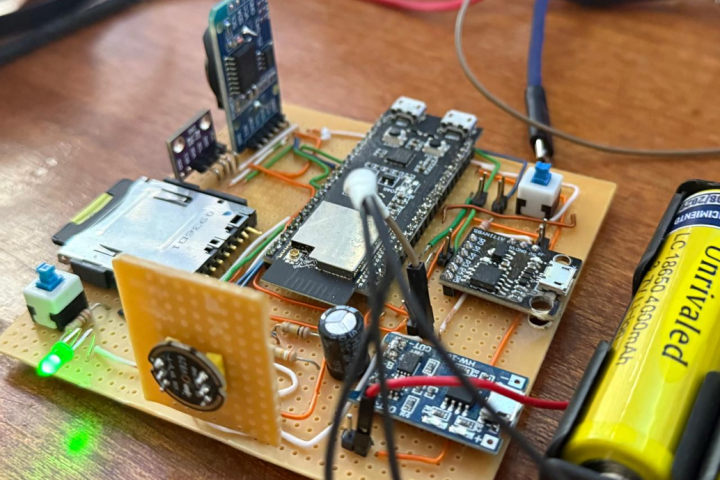
From gigabytes of bird songs to a 60 kB model that runs on an ESP32 Introduction In recent years, artificial intelligence in microcontrollers (TinyML) has...
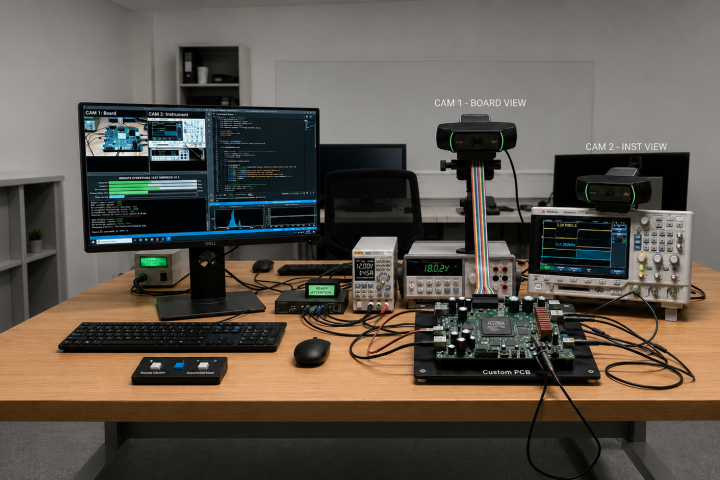
What does it involve? In electronics, hardware-in-the-loop (HIL) is a technique used for the development and validation of embedded systems. Instead of limiting validations to...
When it comes to embedded systems, especially in fields like industrial control or medical devices, getting your code to run efficiently, predictably, and safely is...
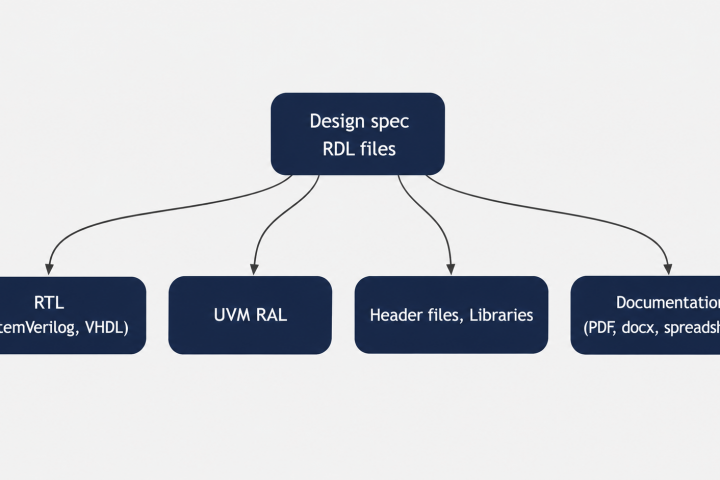
Introduction: Why Engineers Dread Register Management In complex digital systems, especially in SoC and FPGA development, consistency between hardware and software definitions is king. Yet,...
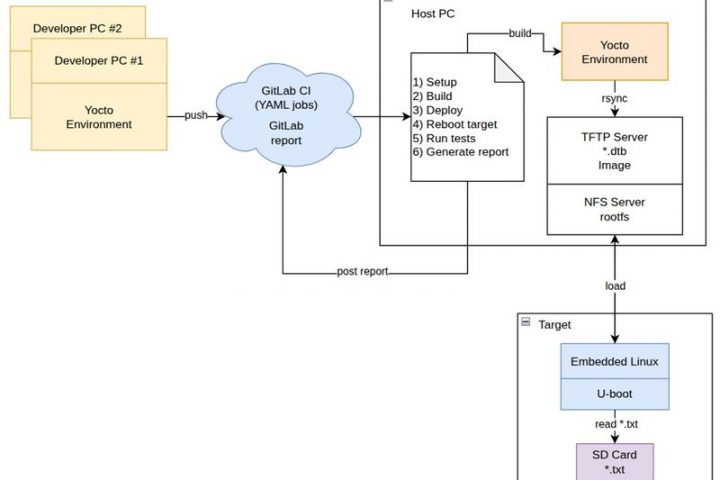
Executive Summary At EmTech S.A., we develop embedded software systems in highly demanding environments, where delivery quality depends not only on code but also on...
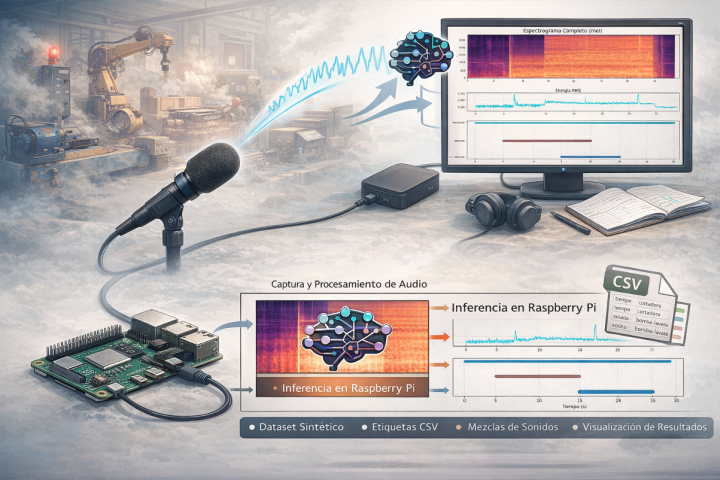
How to train and bring acoustic AI to a real electronic device Abstract Detecting acoustic events in real-world environments is a much more complex challenge...
Introduction An electronic audio detection device is a system designed to listen to the environment, identify relevant events, and operate for long periods without human...
In the previous article, we looked at how hardware starts, found the bootloader, loaded the kernel, searched and configured the drivers and started the user...